From blasphemy to beloved – it’s time again for Jesus Christ Superstar
Local
From 23 July and across nine performances, Adelaide’s Therry Theatre will stage a production of a musical that caused worldwide controversy bordering on the seismic when it debuted way back in 1971.

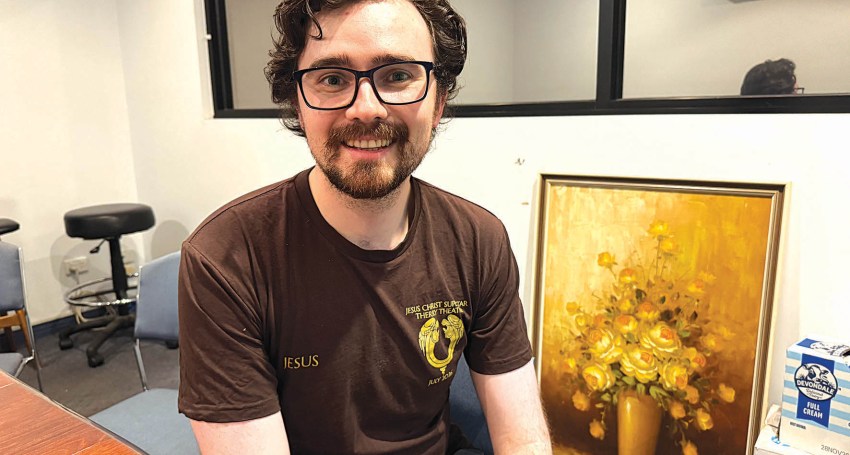
From 23 July and across nine performances, Adelaide’s Therry Theatre will stage a production of a musical that caused worldwide controversy bordering on the seismic when it debuted way back in 1971.
The composer Andrew Lloyd Webber and lyricist Tim Rice have to be at the very low end of the scale when it comes to assessing artists capable of inciting mass furore and protest, but that is exactly what happened when the English duo came up with Jesus Christ Superstar.
They might have come up with a product that has endured and been massively successful yet a little research shows they also managed to offend a good chunk of people all around the world at the time. Whether all protestors were fully in sync with what they were protesting about is unknown but a quick look at the backlash is intriguing.
Blasphemy was, apparently, the main sticking point given that the show tried to humanise Jesus, particularly in his relationship with Mary Magdalene. Judas, conversely, was pilloried in the press for being depicted as sensible and sympathetic.
There was a view too that the portrayal of the high priests (keen on crucifixion) might perpetuate antisemitism while atheists and secularists also had a dig at the show, labelling it Supersham and, in a case of really kicking someone when they’re down, criticising it for commercialising deeply held spiritual beliefs.
Things didn’t get any better for the show when a film version penned by the man who has been at the fore of bringing art to the masses in Britain over the last half century, Melvyn Bragg, caused a bunch of extremists in Paris to burn down a cinema screening the production. (Conversely, Princess Anne – the daughter of Queen Elizabeth, the head of the Church of England – attended the London film premiere in August 1973 with the man she would marry just a few months later.)
But time has not only healed the staged story of Jesus’ final days but indeed led to a transition from blasphemous to beloved. The film version has taken about US $160 million at the box office worldwide apparently, but it is a mere tiddler when set against the stage incomings of about US $237 million.
Therry Theatre won’t add greatly to Andrew and Tim’s retirement pot – its top priced ticket comes in at $50 – but we can be assured of a first class night out.
We’ll enjoy the songs – Andrew and Tim have also come up with Evita, Cats, Phantom of the Opera and more and clearly know a catchy number when they first come up with it – and the story, irrespective of its interpretations, is well known and as emotion packed as they get.
The intrigue then is in how the show morphed from offensive to what is essentially a family staple today. The change was sure footed, while the irony is that its popularity now stems from the same reasons that caused offence when it first appeared 55 years ago. It makes Jesus human, and thus arguably more relatable, while Judas is given a platform to develop his character in ways we would not traditionally have contemplated.
Meanwhile the mainstays of fame, mob mentality and political corruption coursing through the play are as contemporaneous and pressing as ever. And there’s not denying that the songs are good. Merely mention Jesus Chris Superstar and subliminally you’ll hear the chorus inside your head. It is a musical not just of popularity but great prescience and, seemingly, of its time always.
Go and see it, think about it, criticise it but maybe only when you have seen it and thought about it.
The Church’s view on Jesus Christ Superstar appears divided still. The conservative factions who see it as blasphemous are likely to retain their view – and fair enough – although equally there are theologians and progressive believers who view it as a thought provoking exploration of faith.
It all depends on where you sit. My view would be that it’s born of good faith, is innovative and causes you to think. Religion, like life, is a moveable feast and while thoughts and observance are not wrong merely because they are dated, it shouldn’t mean they can’t be questioned.
There have been other Christian adaptations that have provoked reactions to JCS. Godspell appeared at roughly the same time and took a panning from critics too, Jesus portrayed in a hippy manner, being a core discontent.
Then, in 1979, we had the film Life of Brian which brought a tempestuous reaction globally with screenings banned across Ireland and in much of the US. The satire, the filmmakers argued, was that the story was not about Jesus at all but about a man – Brian – mistaken to be the saviour.
Personally, I found the film ground breaking and original although the controversy around had to be harmful to the Church, without question.
Much more recently, the films The Two Popes and last year’s Conclave have been softer but are also born of speculation and fiction. Cardinals aside, who knows what is really said and discussed before the election of any new pope?
Maybe it’s the passing of time but Jesus Christ Superstar today feels far more a celebration of Christianity than a sly dig at the establishment.
The pundits who rock up to The Arts Theatre on Angas Street will undoubtedly emerge smiling and, in all probability, singing loudly as well.
More than that, they’ll know about Jesus and Judas and Mary Magdalene and maybe they’ll stop, think and perhaps read up a little more about the events of 2000 years ago.
And that has to be a truly good thing.