Giving hope - one step at a time
Local
Centacare executive director Leanne Haddad says Easter can bring a sense of hope and renewal for people experiencing hardship and marginalisation. The challenges are many and varied she says.
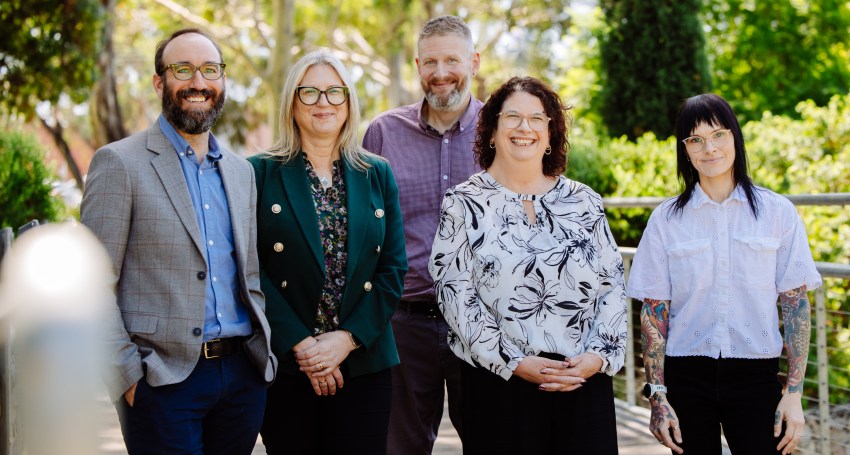
“Seeing moments of connection between a parent and their child reminds you why the work we do matters,” says Sam Carpenter who leads Centacare’s Unify Reunification Services.
His team works with families to restore trust and strengthen relationships, including people navigating the child protection system. Hope often begins with something simple he says.
“In our program, we concentrate on building co-operative and respectful relationships. We believe this is the most powerful avenue towards hope.”
For many South Australians, reaching out for support is not a decision made lightly. By the time someone seeks help, they are often carrying the weight of many challenges at once – family pressures, financial stress, mental health struggles, housing insecurity, the impacts of domestic violence and the strain these can place on families and children.
Across Centacare’s services, hope often begins when someone reaches out and is met by people ready to listen and support them.
Founded in 1942, Centacare has grown to become one of South Australia’s largest community service providers, delivering 63 services across 36 locations and supporting more than 20,000 people each year, including 7,264 children and young people.

Hope and renewal are fundamental to her clients at Easter says Centacare executive director Leanne Haddad.
Yet its staff say the impact of that work is rarely defined by numbers.
Anthea Francis, who leads Centacare’s Young Family Support Program, believes the challenges facing young families are clear with many young parents balancing the pressures of early adulthood while raising children and trying to secure stable housing.
“When it’s hard enough for double-income families to find housing, young parents living on low single incomes really struggle to find safe and affordable housing,” she says.
Despite those pressures, the resilience of young families can be inspirational she says.
“The fact they reach out for support and keep going despite adversity demonstrates their hope for a better life for themselves and their children.”
For families experiencing domestic and family violence, finding safety and support can be the first step toward rebuilding their lives.
Jane Zeitz, who works with Centacare’s Family Violence Prevention and Intervention Services in the South East, says hope often begins quietly and then grows.
“Through the Resilient Women program delivered in Naracoorte and Mount Gambier, it has been inspiring to watch participants gain confidence and begin planning for their future,” she says.
Even small changes can signal an important shift.
“Seeing someone arrive at the office completely distraught and leave with a look of hope on their face is reassuring that the programs we deliver are helping people find direction.”
Across Centacare’s Mental Health Services, practitioners often meet people when life feels overwhelming. For Tim Davis, who works with Centacare’s Your LINC South, hope begins with something deceptively simple.
“Giving hope is about showing up consistently,” he says. “It’s sitting with someone in crisis and helping them believe that this moment won’t define their whole story.”
His colleague Rebecca Horgan, from Centacare’s Your LINC Central, says trust is central.
“Giving hope in psychosocial outreach is often very practical and relational,” she believes. “Consistently showing up and walking alongside someone in their recovery journey helps people begin to believe that change is possible.
“Sometimes when you are holding space for a client, you are also holding their hope until they feel ready to hold it for themselves.”
Counselling services are another important part of Centacare’s work, supporting individuals and families to pause, reflect and find ways forward.
Cris Pirone, from Centacare’s Access SA counselling service, says that process begins with listening.
“Giving hope means offering presence and genuine connection. It means acknowledging that what someone is struggling with is important and taking the time to listen and support them as they explore opportunities for change.”
Further north, in Whyalla, Centacare staff support people with disability to build confidence, life skills and community connections. Team leaders Kerry Woodlands and Tania Dawes say hope can often be found in small steps forward.
“Giving choice and control to vulnerable clients and encouraging them to have a go is what hope looks like,” they say.
“Community inclusion plays a powerful role in that journey and gives people something to look forward to and a community to be involved with.”
Across these services, staff are adamant the goal remains the same, to help people move toward greater stability, connection and confidence.
As South Australians reflect on themes of renewal and new beginnings over the Easter season, those moments of change continue quietly every day in homes, counselling rooms and community spaces across the state, as Centacare staff support people working toward safer, more hopeful futures.
Hope rarely arrives in dramatic ways and more often appears gradually, in trust rebuilt, confidence restored and the growing belief that tomorrow can look different from today.