Study highlights need for clergy support
National
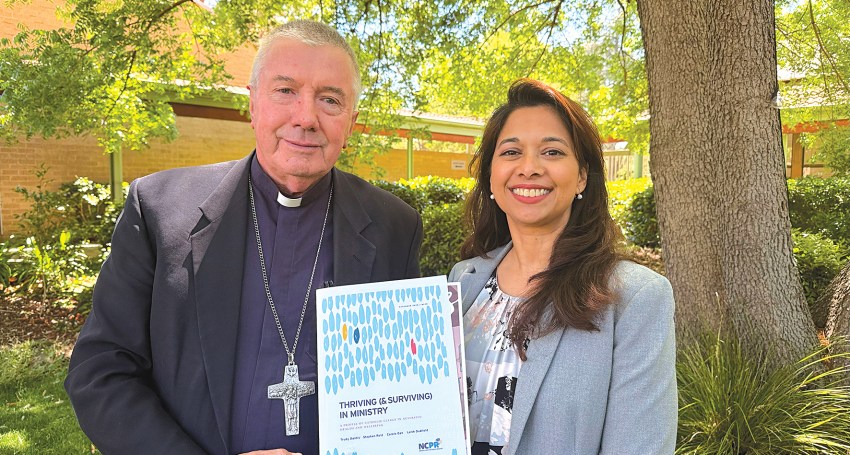
A groundbreaking national study into Catholic clergy health and wellbeing has revealed that an overwhelming majority of priests value their work and have positive relationships with their parish communities.

There was also a strong sense of wellbeing reported by many priests and deacons, but concerns were raised by some about loneliness, heavy workloads, strained relationships with bishops and gaps in training and peer support.
The survey of 825 priests and deacons was aimed at identifying how they could be better supported and, in turn, better serve their communities.
A second phase of the study involved interviews with 78 priests and deacons, resulting in feedback on their working and personal lives.
Commissioned by the Australian Catholic Bishops Conference, the report Thriving (and Surviving) in Ministry proposes a plan for “targeted pastoral strategies to support clergy in areas of wellbeing, mental health and spiritual care”.
“This study stands as a hopeful and pioneering effort – one that opens the door to deeper understanding, continued dialogue, and meaningful action to nurture the wellbeing of those who serve the Church,” the report states.
In his foreword, Archbishop Christopher Prowse said some of the findings were very complimentary and showed signs of great joy in the priesthood by many. ‘Other conclusions are more worrying and could well be the subject of the ongoing formation of clergy and their pastoral care,’ he wrote.
The bishops will establish a working group to explore ways to better support clergy.
Most clergy (95 per cent) valued their ministry and work while 73 per cent felt adequately supported. In addition, 71 per cent said they were “hopeful” and 75 per cent had good or very good self-confidence.
About two thirds of respondents reported maintaining a healthy diet and 61 per cent believed they were getting sufficient rest while 55 per cent reported experiencing high energy levels. A third rated themselves poorly in the area of exercising regularly.
Around 61 per cent of clergy made comments about negative impacts from cultural or societal changes, with the Royal Commission into Institutional Response to Child Sexual Abuse prompting the most extensive responses, including stress, anxiety, shame and diminished confidence in ministry.
The decline in clergy numbers was identified as leading to increased workloads, stress and concerns about inadequate leadership formation.
Clergy offered key suggestions for better support in eight areas: more personal interest or support from bishops or leaders; stronger peer support; increased administrative help; improved leadership from the bishop; enhanced formation and training; greater spiritual support and supervision; financial assistance and better work-life balance.
Adelaide Archdiocese Clergy Care and Wellbeing manager, Emma Grieve, who was invited to provide a reflection on the study for the final report, said the findings provided an important roadmap for moving forward and building on the work already under way in the Archdiocese to support clergy.
She stressed that clergy wellbeing was not the responsibility of health professionals alone and urged the Church to “listen, learn and act- because the wellbeing of our clergy is central to the wellbeing of our Church”.